
Section
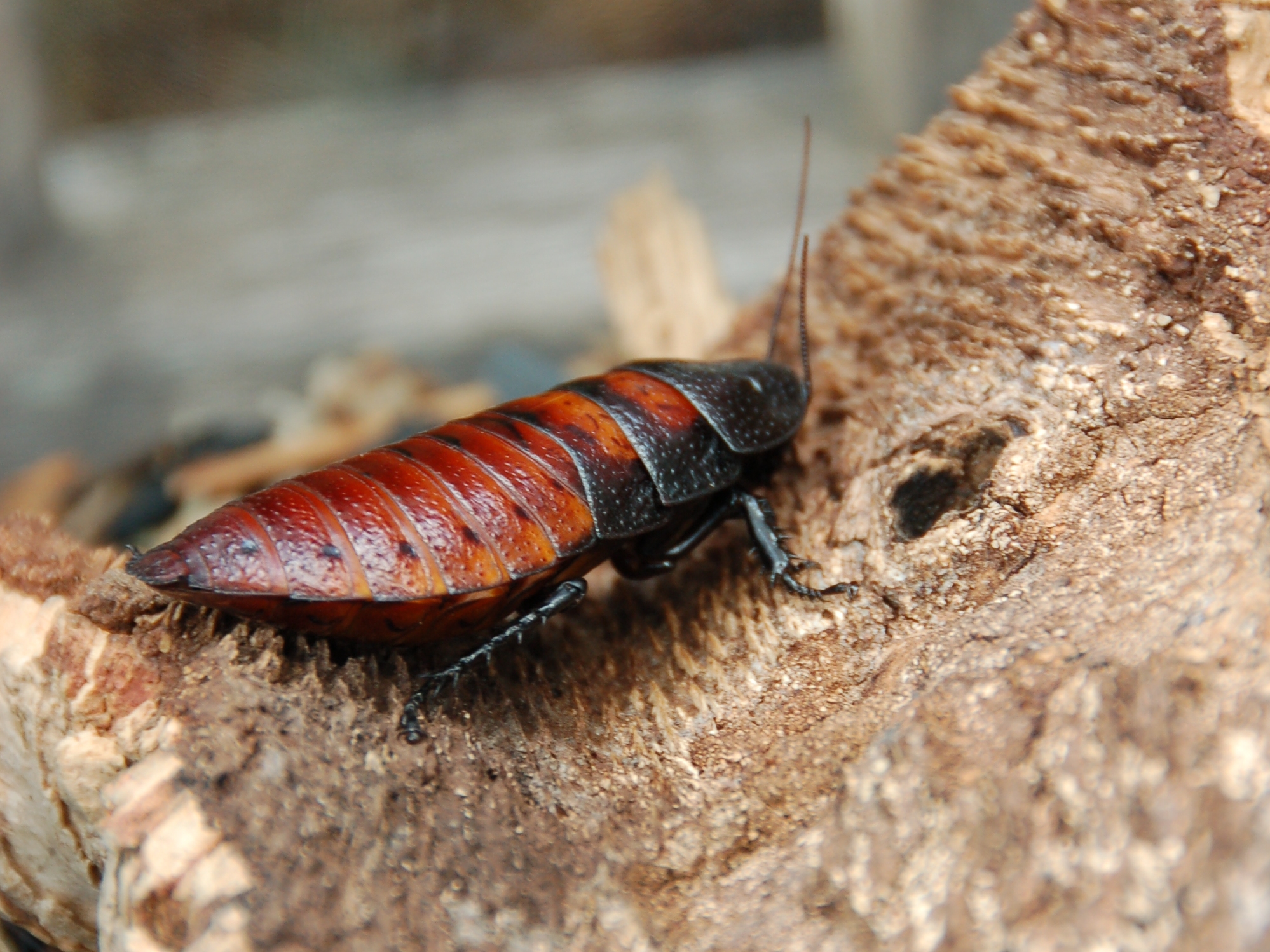
Blattodea
Cockroaches & termites. Flattened bodies, long antennae, leathery forewings. Termites are now classified within Blattodea — essentially social, wood-eating cockroaches.
Deck

Section
Coleoptera
Beetles. Hardened forewings (elytra) meet in a straight line down the back. The largest order of organisms on Earth — about 400,000 species.
Deck

Section
Dermaptera
Earwigs. Pincer-like cerci at the rear of the abdomen. Fan-folded hindwings. Mothers display rare maternal care of eggs.
Deck

Section
Diptera
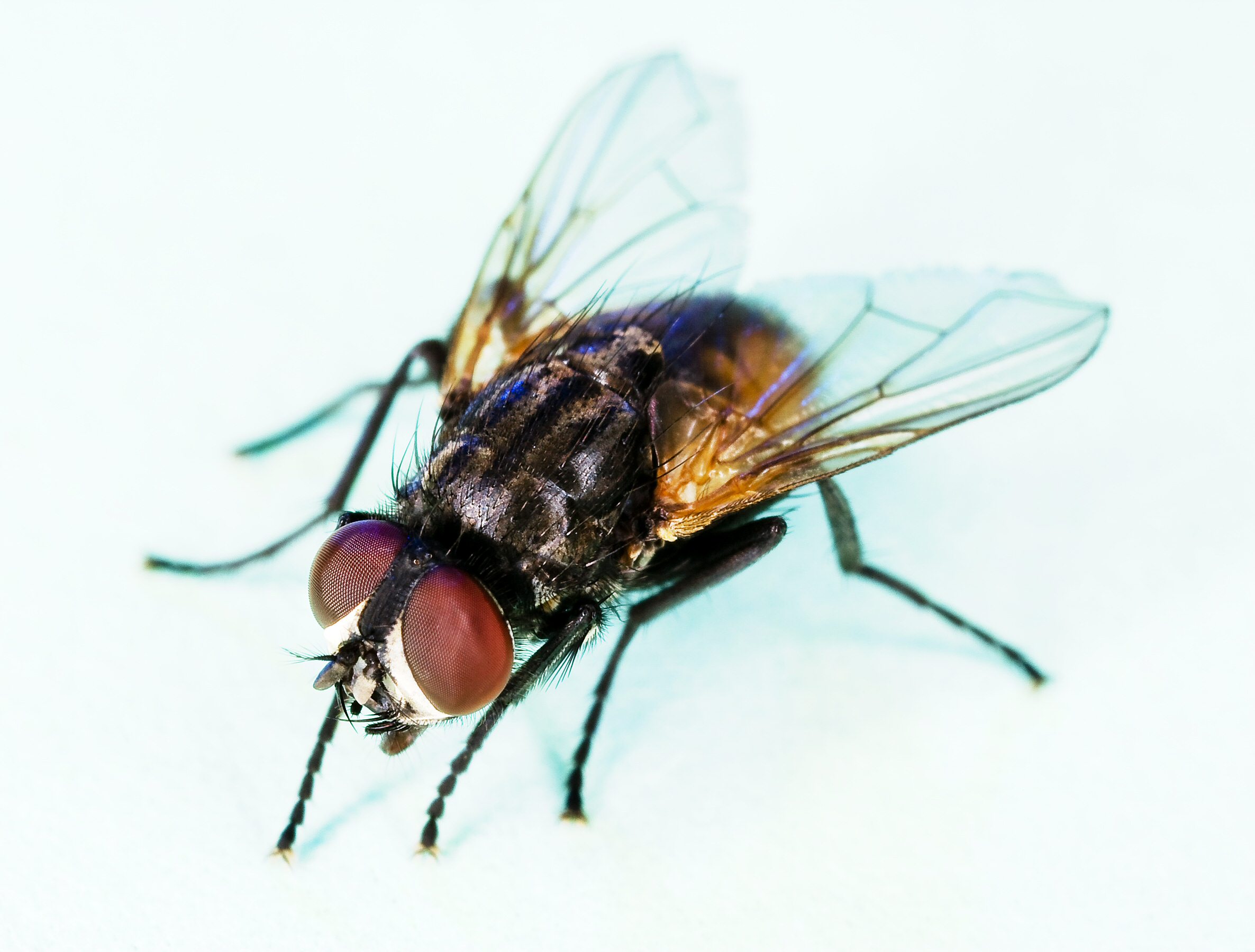
True flies and mosquitoes. Only one pair of functional wings — the hindwings are reduced to balancing organs called halteres.
Deck
Section
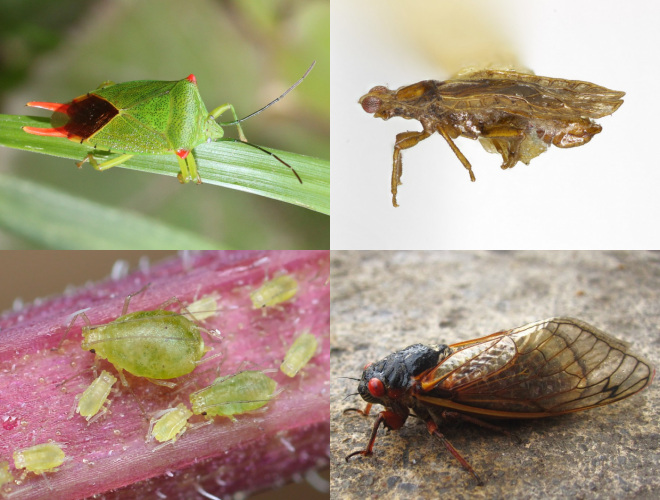
Hemiptera
True bugs, cicadas, aphids, leafhoppers. Piercing-sucking mouthparts forming a beak tucked under the body.
Deck
Section
Hymenoptera
Bees, wasps, ants and sawflies. Membranous wings hooked together by tiny hamuli. Highly social in many groups.
Deck

Section
Lepidoptera
Butterflies and moths. Wings covered in tiny overlapping scales. Long coiled proboscis. Larvae are caterpillars.
Deck

Section
Mantodea
Praying mantises. Triangular head with huge compound eyes that swivel 180°. Raptorial forelegs held in prayer position.
Deck

Section
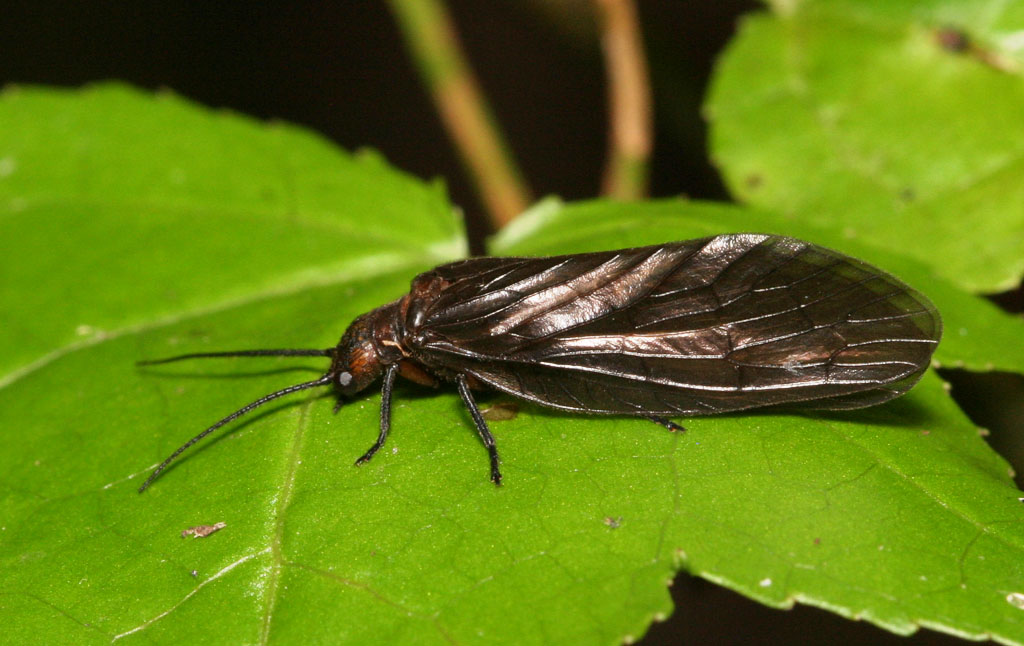
Megaloptera
Dobsonflies, alderflies, fishflies. Large soft-bodied insects. Predatory aquatic larvae — hellgrammites — are top-tier fish bait.
Deck
Section
Neuroptera
Lacewings, antlions, owlflies. Two pairs of equal-sized membranous wings with elaborate net-like venation. Predators as larvae and adults.
Deck

Section
Odonata
Dragonflies and damselflies. Large equal-sized wings with intricate venation. Enormous compound eyes. Aquatic nymphs are voracious predators.
Deck

Section
Orthoptera
Grasshoppers, crickets, katydids. Greatly enlarged hind legs for jumping. Males produce sound by stridulation.
Deck

Section
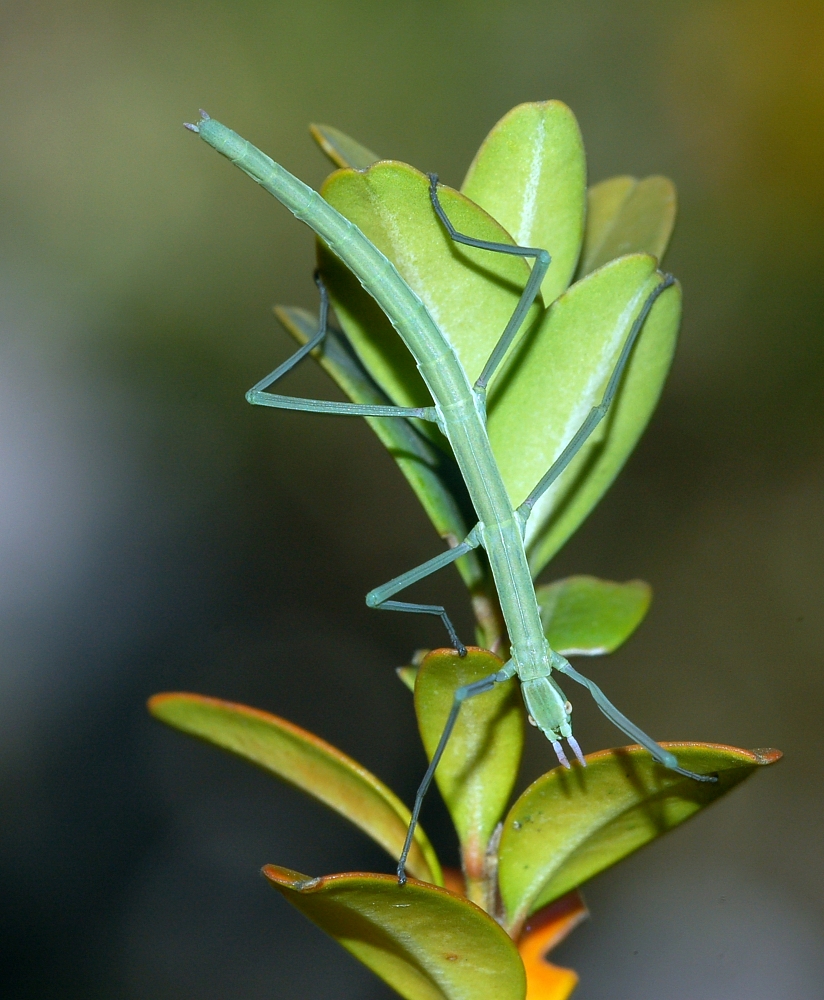
Phasmatodea
Stick and leaf insects. Extreme body elongation or flattened leaf-mimicry. Some of the longest insects on Earth — up to 64 cm.
Deck
Section
Psocodea
Booklice, barklice and parasitic lice. Combines the former Psocoptera with Phthiraptera. Tiny, soft-bodied, wingless or with membranous wings.
Deck

Section
Siphonaptera
Fleas. Wingless. Laterally compressed for navigating through host fur. Spectacular jumping legs. Obligate blood feeders.
Deck

Section
Zygentoma
Silverfish and firebrats. Wingless. Three tail filaments approximately equal in length. Flattened body covered in silvery scales.
Deck
