Site view
Timeline
Every dated card across The World Cup Archive, arranged chronologically. Dates are inferred from each card's summary.
Era
1910s
3 cards

1910· Champion Nations
Italy national football team
The Italy national football team has represented Italy in men's international football since its first match in 1910. The national team is controlled by the Italian Football Federation (FIGC), the governing body for football in Italy, which is a co-founder and member of UEFA. Italy's home matches are played at various stadiums throughout Italy, and its primary training ground and technical headquarters, Centro Tecnico Federale di Coverciano, is located in Florence.
1916· Champion Nations
Argentina national football team
The Argentina national football team, nicknamed La Albiceleste, represents Argentina in men's international football and is administered by the Argentine Football Association, the governing body of football in Argentina. It has been a member of FIFA since 1912 and was a founding member of CONMEBOL in 1916. It was also a member of PFC, the unified confederation of the Americas, from 1946 to 1961. Argentina is the current FIFA World Cup champion, having won the most recent World Cup in 2022. The team previously won the World Cup in 1978 and 1986, and has appeared in the World Cup final a total of six times.

1916· Champion Nations
Brazil national football team
The Brazil national football team, nicknamed Canarinho, represents Brazil in men's international football and is administered by the Brazilian Football Confederation, the governing body of football in Brazil. It has been a member of FIFA since 1923 and was a founding member of CONMEBOL in 1916. It was also a member of PFC, the unified confederation of the Americas, from 1946 to 1961.
Era
1950s
5 cards
1950· Champion Nations
Germany national football team
The Germany national football team represents Germany in men's international football and played its first match in 1908. The team is governed by the German Football Association, founded in 1900, by members the single largest national sports federation in the world. Between 1949 and 1990, separate German national teams were recognised by FIFA due to Allied occupation and division: the DFB's team representing the Federal Republic of Germany, the Saarland team representing the Saar Protectorate (1950–1956) and the East Germany team representing the German Democratic Republic (1952–1990). The latter two were absorbed along with their records; the present team represents the reunified Federal Republic. The official name and code "Germany FR (FRG)" was shortened to "Germany (GER)" following reunification in 1990.

1950· Legendary Tournaments
1950 FIFA World Cup
The 1950 FIFA World Cup was the fourth edition of the FIFA World Cup, the quadrennial international football championship for senior men's national teams. It was held in Brazil from 24 June to 16 July 1950.

1950· Unforgettable Moments
Uruguay v Brazil (1950 FIFA World Cup)
The match between Uruguay and Brazil was the decisive match of the final stage at the 1950 FIFA World Cup. It was played at the Maracanã Stadium in the then-capital of Brazil, Rio de Janeiro, on 16 July 1950.

1954· Unforgettable Moments
1954 FIFA World Cup final
The 1954 FIFA World Cup final was the final match of the 1954 FIFA World Cup, the fifth World Cup in FIFA history. The game was played at the Wankdorf Stadium in Bern, Switzerland, on 4 July 1954, and saw West Germany beat the heavily favoured Golden Team of Hungary 3–2. Earlier in the group stage, Hungary had defeated West Germany 8–3.
1958· Legendary Tournaments
1958 FIFA World Cup
The 1958 FIFA World Cup was the sixth FIFA World Cup, the quadrennial football tournament for senior national teams. It was played in Sweden from 8 to 29 June 1958. It is currently the only FIFA World Cup to be hosted in a Nordic country.
Era
1970s
2 cards

1970· Legendary Tournaments
1970 FIFA World Cup
The 1970 FIFA World Cup was the ninth edition of the FIFA World Cup, the quadrennial international football championship for men's senior national teams. Held from 31 May to 21 June in Mexico, it was the first World Cup tournament held outside Europe and South America, and also the first hosted in North America. Teams representing 75 nations from all six populated continents entered the competition, and its qualification rounds began in May 1968. Fourteen teams qualified from this process to join host nation Mexico and defending champions England in the 16-team final tournament. El Salvador, Israel and Morocco made their debut appearances at the final stage.

1971· Iconic Players
Johan Cruyff
Hendrik Johannes Cruijff, commonly known as Johan Cruyff, was a Dutch professional football player and manager. Regarded as one of the greatest players in history and as the greatest Dutch footballer ever, he won the Ballon d'Or three times, in 1971, 1973, and 1974. Cruyff was a proponent of the football philosophy known as Total Football developed by Rinus Michels, which Cruyff also employed as a manager. Because of the far-reaching impact of his playing style and his coaching ideas, he is widely regarded as one of the most influential figures in modern football, and he is also regarded as one of the greatest managers of all time.
Era
1980s
3 cards
1982· Legendary Tournaments
1982 FIFA World Cup
The 1982 FIFA World Cup was the 12th FIFA World Cup, the quadrennial football tournament for men's senior national teams, and was played in Spain from 13 June to 11 July 1982. The tournament was won by Italy, who defeated West Germany 3–1 in the final held in the Santiago Bernabéu Stadium in Madrid. It was Italy's third World Cup title, but their first since 1938. The defending champions, Argentina, were eliminated in the second round. Algeria, Cameroon, Honduras, Kuwait and New Zealand made their first appearances in the finals.
1986· Legendary Tournaments
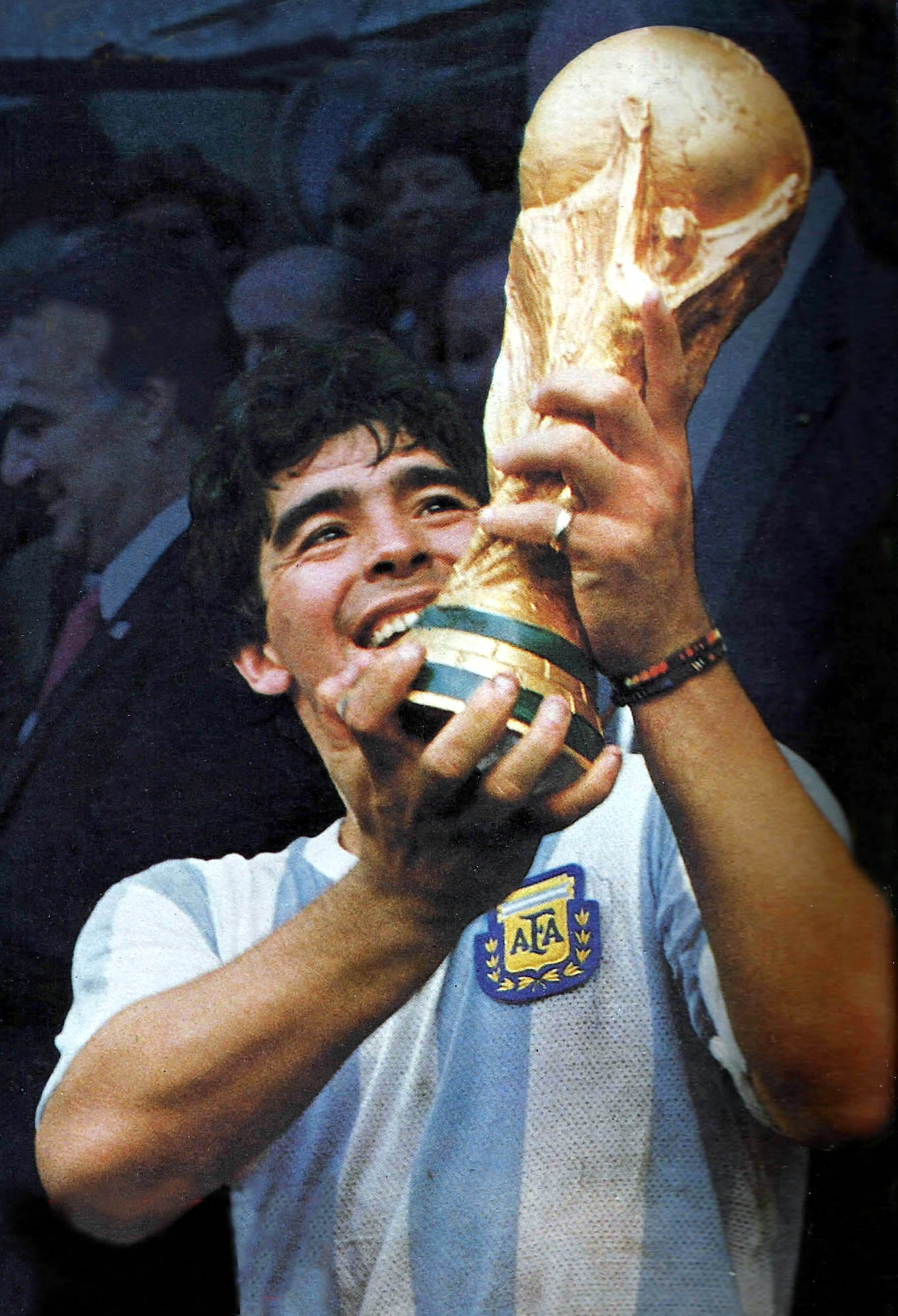
1986 FIFA World Cup
The 1986 FIFA World Cup was the 13th FIFA World Cup, the quadrennial football tournament for men's senior national teams. It was played in Mexico from 31 May to 29 June 1986. The tournament was the second to feature a 24-team format. Colombia had been originally chosen to host the competition by FIFA but, largely due to economic reasons, was not able to do so, and resigned in November 1982. Mexico was selected as the new host in May 1983, and became the first country to host the World Cup more than once, after previously hosting the 1970 edition.

1986· Unforgettable Moments
Argentina v England (1986 FIFA World Cup)
Argentina 2 – 1 England was a football match played on 22 June 1986 between Argentina and England in the quarter-finals of the 1986 FIFA World Cup at the Estadio Azteca in Mexico City. The game was held four years after the Falklands War between Argentina and the United Kingdom, and was a key part in the already intense Argentina–England football rivalry. It was also a match which included two of the most well-known goals in football history, both scored by Argentina captain Diego Maradona.
Era
1990s
4 cards
1990· Legendary Tournaments
1990 FIFA World Cup
The 1990 FIFA World Cup was the 14th FIFA World Cup, the quadrennial football tournament for men's senior national teams. It was held from 8 June to 8 July 1990 in Italy, the second country to host the event for a second time. Teams representing 116 national football associations entered and qualification began in April 1988. 22 teams qualified from this process, along with the host nation Italy and defending champions Argentina.
1998· Legendary Tournaments
1998 FIFA World Cup
The 1998 FIFA World Cup was the 16th FIFA World Cup, the football world championship for men's national teams. The finals tournament was held in France from 10 June to 12 July 1998. The country was chosen as the host nation by FIFA for the second time in the history of the tournament, defeating Morocco in the bidding process. It was the ninth time that it was held in Europe. Spanning 32 days, it was the longest World Cup tournament ever held and with the most teams until 2026.

1998· Iconic Players
Zinedine Zidane
Zinedine Yazid Zidane, popularly known as Zizou, is a French professional football manager and former player who played as an attacking midfielder. Widely regarded as one of the greatest players of all time, Zidane was a playmaker renowned for his elegance, vision, passing, and ball control. He received many individual accolades as a player, including being named FIFA World Player of the Year in 1998, 2000 and 2003, and winning the 1998 Ballon d'Or. He coached his former La Liga club Real Madrid in two separate stints between 2016 and 2021, winning multiple domestic and international club trophies.
1999· Iconic Players
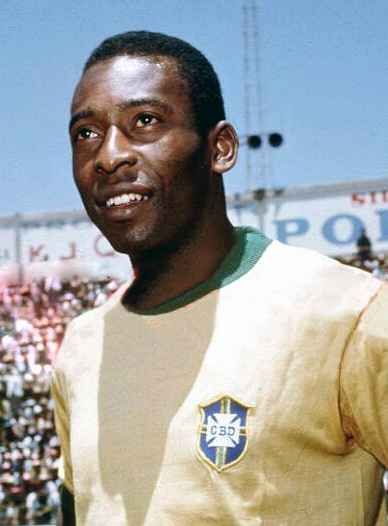
Pelé
Edson Arantes do Nascimento, better known by his nickname Pelé, was a Brazilian professional footballer who played as a forward. Widely regarded as one of the greatest players in history, he was among the most successful and popular sports figures of the 20th century. His 1,279 goals in 1,363 games, which includes friendlies, is recognised as a Guinness World Record. In 1999, he was named Athlete of the Century by the International Olympic Committee and was included in the Time list of the 100 most important people of the 20th century. In 2000, Pelé was voted World Player of the Century by the International Federation of Football History & Statistics (IFFHS) and was one of the two joint winners of the FIFA Player of the Century, alongside Diego Maradona.
Era
2000s
3 cards
2002· Legendary Tournaments
2002 FIFA World Cup
The 2002 FIFA World Cup, also branded as Korea Japan 2002, was the 17th FIFA World Cup, the quadrennial football world championship for men's national teams organized by FIFA. It was held from 31 May to 30 June 2002 at sites in Japan and South Korea, with its final match hosted by Japan at International Stadium in Yokohama.
2007· Legendary Tournaments
2014 FIFA World Cup
The 2014 FIFA World Cup was the 20th FIFA World Cup, the quadrennial world championship for men's national football teams organised by FIFA. It took place in Brazil from 12 June to 13 July 2014, after the country was awarded the hosting rights in 2007. It was the second time that Brazil staged the competition, the first being in 1950, and the fifth time that it was held in South America.
2007· Stadiums & Trophies
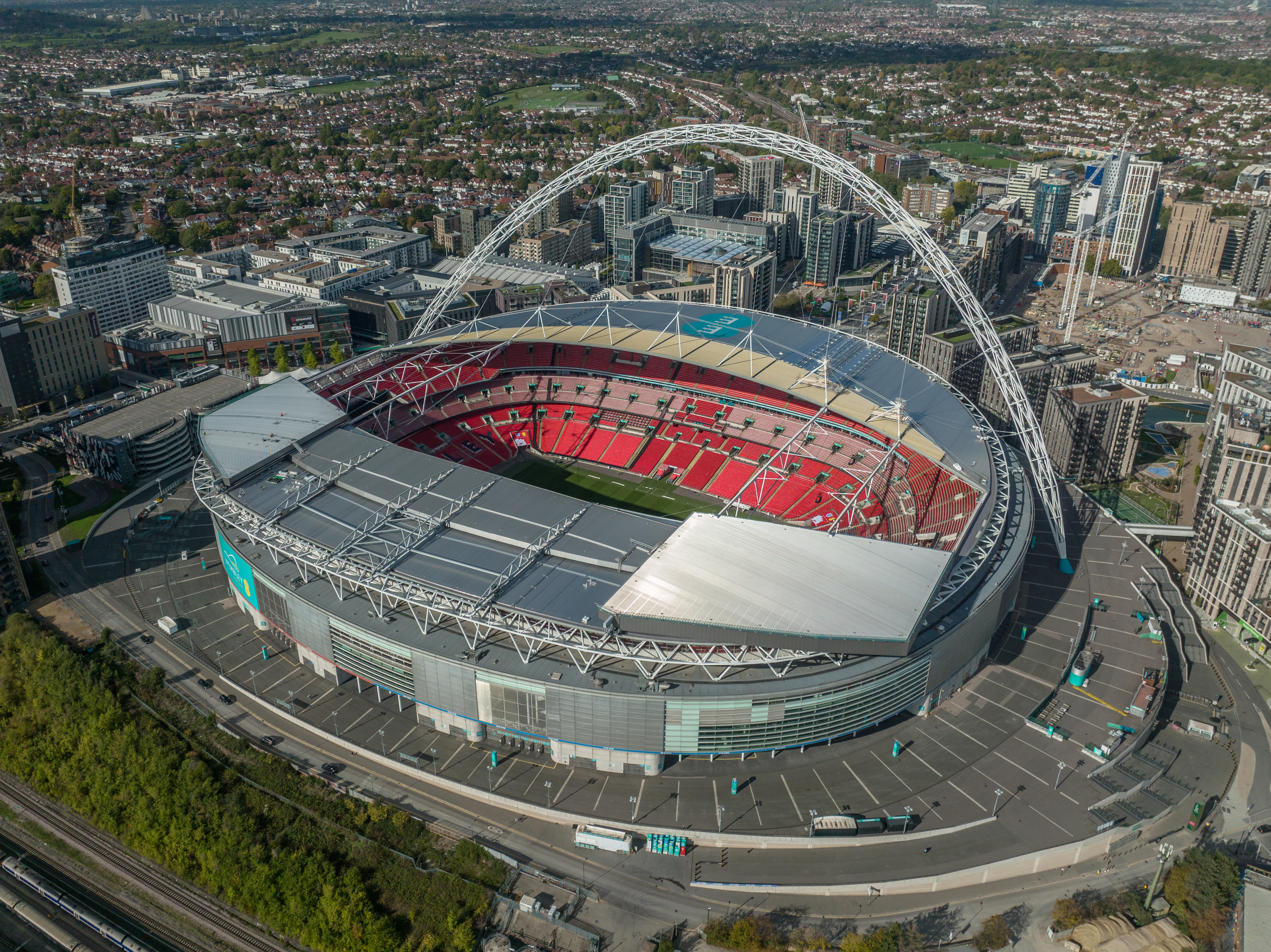
Wembley Stadium
Wembley Stadium, currently branded as Wembley Stadium connected by EE for sponsorship reasons, is an association football stadium in Wembley, London, England. It opened in 2007 on the site of the original Wembley Stadium, which had stood from 1923 until 2000. The stadium is England's national football stadium, and thus hosts the majority of the England national team home matches and the FA Cup Final – the final of England's primary domestic club football competition. It is considered one of the most well known football stadiums in the world, and is considered a hub for the English game.
Era
2020s
2 cards

2025· Iconic Players
Lionel Messi
Lionel Andrés "Leo" Messi is an Argentine professional footballer who plays as a forward for and captains both Major League Soccer club Inter Miami and the Argentina national team. Widely regarded as one of the greatest players in history, Messi has set numerous records for individual accolades won throughout his professional footballing career, including eight Ballons d'Or, six European Golden Shoes, and eight times being named the world's best player by FIFA. In 2025, he was named the All Time Men's World Best Player by the IFFHS.

2026· Iconic Players
Miroslav Klose
Miroslav Josef Klose is a German professional football manager and former player who is head coach of 2. Bundesliga club 1. FC Nürnberg. He is the all-time top scorer for Germany and was the record-holder for most goals scored in the FIFA World Cup (16), a record he held independently for 12 years, until it was surpassed by Lionel Messi in 2026.
Starting his career at FC 08 Homburg, Klose played in the Bundesliga for Kaiserslautern before becoming one of the most prolific scorers in the league with Werder Bremen, where he was awarded the German Footballer of the Year in 2006 and also named in the kicker Bundesliga Team of the Season in 2004–05 and 2005–06. His performances saw him move to Bayern Munich in 2007. During his time at Bayern, Klose won the 2007–08 and 2009–10 league titles. In 2011, Klose moved to Serie A club Lazio, where he won the 2012–13 Coppa Italia and eventually finished his playing career in 2016 after five years at the club.