Site view
Timeline
Every dated card across Philosophy Archive, arranged chronologically. Dates are inferred from each card's summary.
Era
Before 1 CE
6 cards

604 BC· Ancient
Laozi
(604 BC–500 BC) Laozi was a legendary Chinese philosopher considered to be the author of the Tao Te Ching, one of the foundational texts of Taoism. Modern scholarship generally regards his biographical details as later inventions and his opus a collaboration of various writers, with the name Laozi, literally meaning 'Old Master', likely intended to portray an archaic anonymity that could converse with Confucianism. Traditional accounts addend him as Li Er, born in the 6th-century BC state of Chu during China's Spring and Autumn period. Serving as the royal archivist for the Zhou court at Wangcheng, he met and impressed Confucius on one occasion, composing the Dào Dé Jīng in a single session before retiring into the western wilderness.

552 BC· Ancient
Confucius
(552 BC–479 BC) Confucius, born Kong Qiu, was a Chinese philosopher of the Spring and Autumn period who is traditionally considered the paragon of Chinese sages. Much of the shared cultural heritage of the Sinosphere originates in the philosophy and teachings of Confucius. His philosophical teachings, called Confucianism, emphasized personal and governmental morality, harmonious social relationships, righteousness, kindness, sincerity, and a ruler's responsibilities to lead by virtue.

427 BC· Ancient
Plato
(427 BC–347 BC) Plato was an ancient Greek philosopher of Classical Athens who is most commonly considered the foundational thinker of the Western philosophical tradition. An innovator of the literary dialogue and dialectic forms, Plato influenced all the major areas of theoretical philosophy and practical philosophy, and was the founder of the Academy, a philosophical school in Athens where Plato taught the collection of philosophical theories that would later become known as Platonism.
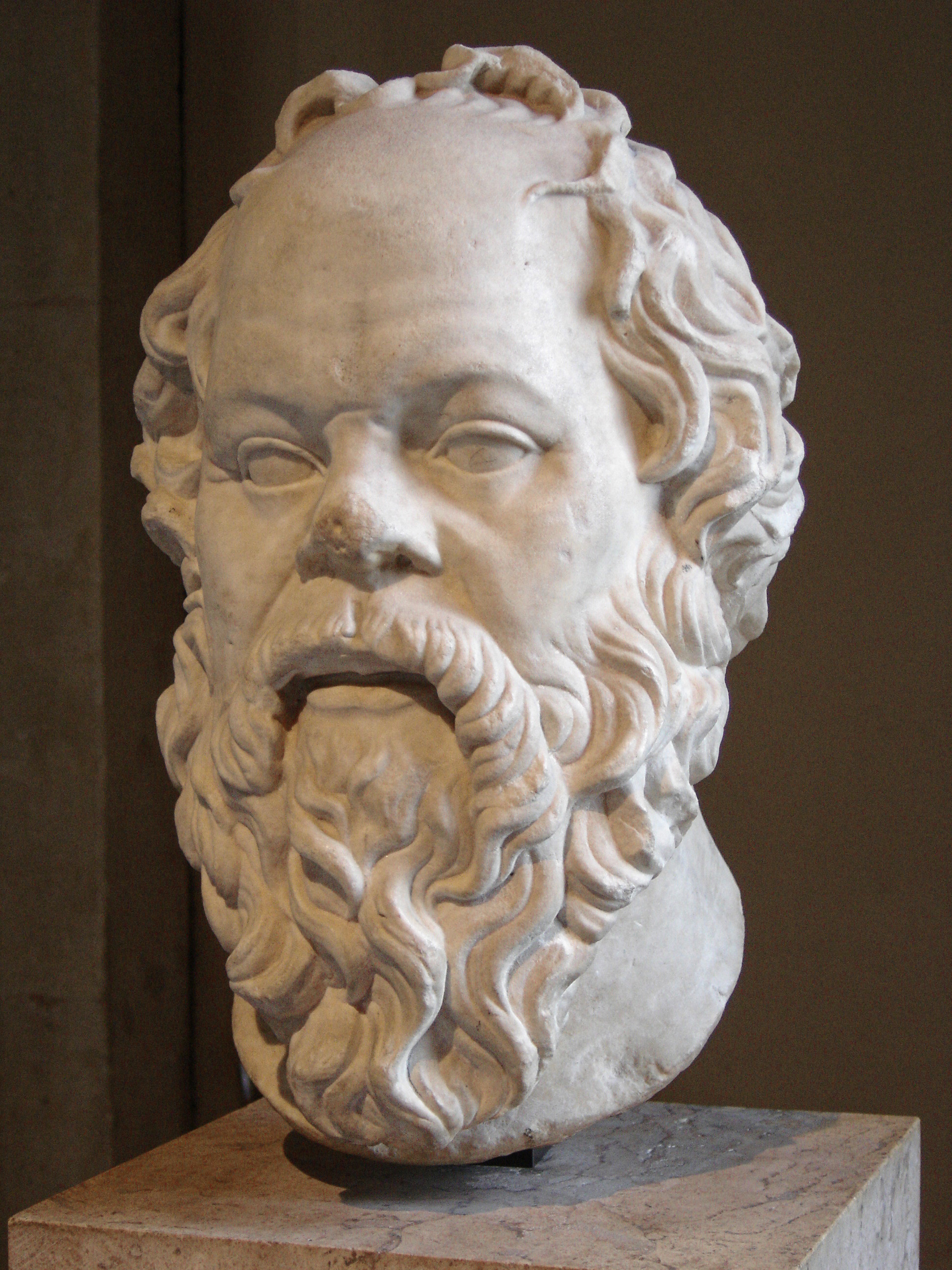
399 BC· Ancient
Socrates
Socrates was an ancient Greek philosopher from Classical Athens, perhaps the first Western moral philosopher, and a major inspiration on his student Plato, who largely founded the tradition of Western philosophy. An enigmatic figure, Socrates authored no texts and is known mainly through the posthumous accounts of classical writers, particularly his students Plato and Xenophon. These accounts are written as dialogues, in which Socrates and his interlocutors examine a subject in the style of question and answer; they gave rise to the Socratic dialogue literary genre. Contradictory accounts of Socrates make a reconstruction of his philosophy nearly impossible, a situation known as the Socratic problem. Socrates was a polarizing figure in Athenian society. In 399 BC, he was accused of impiety and corrupting the youth. After a trial that lasted a day, he was sentenced to death. As related by Plato, he was put to death by administration of poison after refusing offers from allies to help him escape.
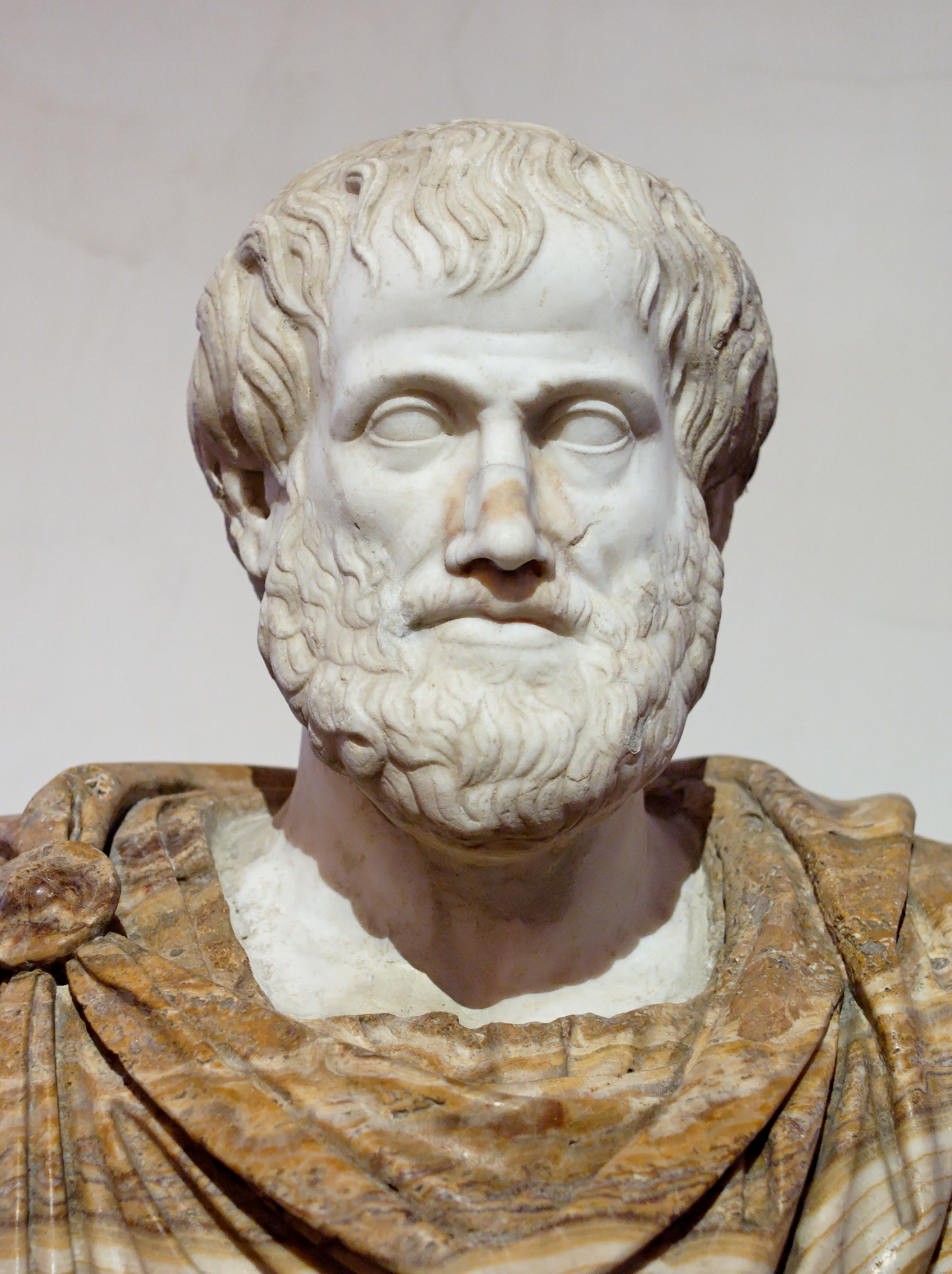
384 BC· Ancient
Aristotle
(384 BC–322 BC) Aristotle was an ancient Greek philosopher and polymath. His writings span the natural sciences, philosophy, linguistics, economics, politics, psychology, and the arts. As the founder of the Peripatetic school of philosophy in the Lyceum in Athens, he began the wider Aristotelian tradition that followed, which set the groundwork for the development of modern science.
342 BC· Ancient
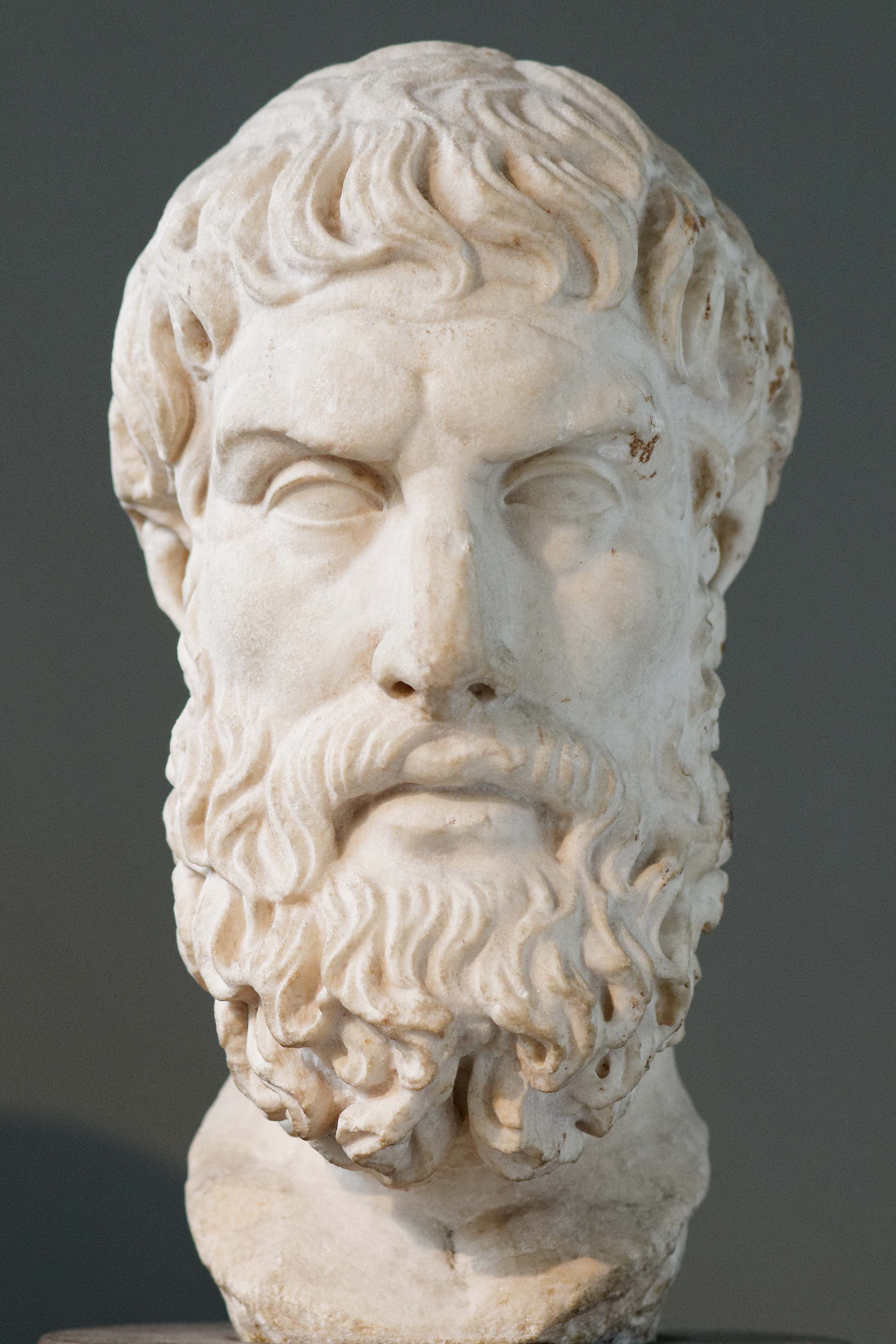
Epicurus
(342 BC–270 BC) Epicurus was an ancient Greek philosopher who founded the philosophical school of Epicureanism, which taught that management of one's desires, removal of unnecessary fears, friendship, and virtuous living led to a pleasant life and constant happiness, the highest good.