
Site view
Timeline
Every dated card across Greece, arranged chronologically. Dates are inferred from each card's summary.
Era
Before 1 CE
5 cards
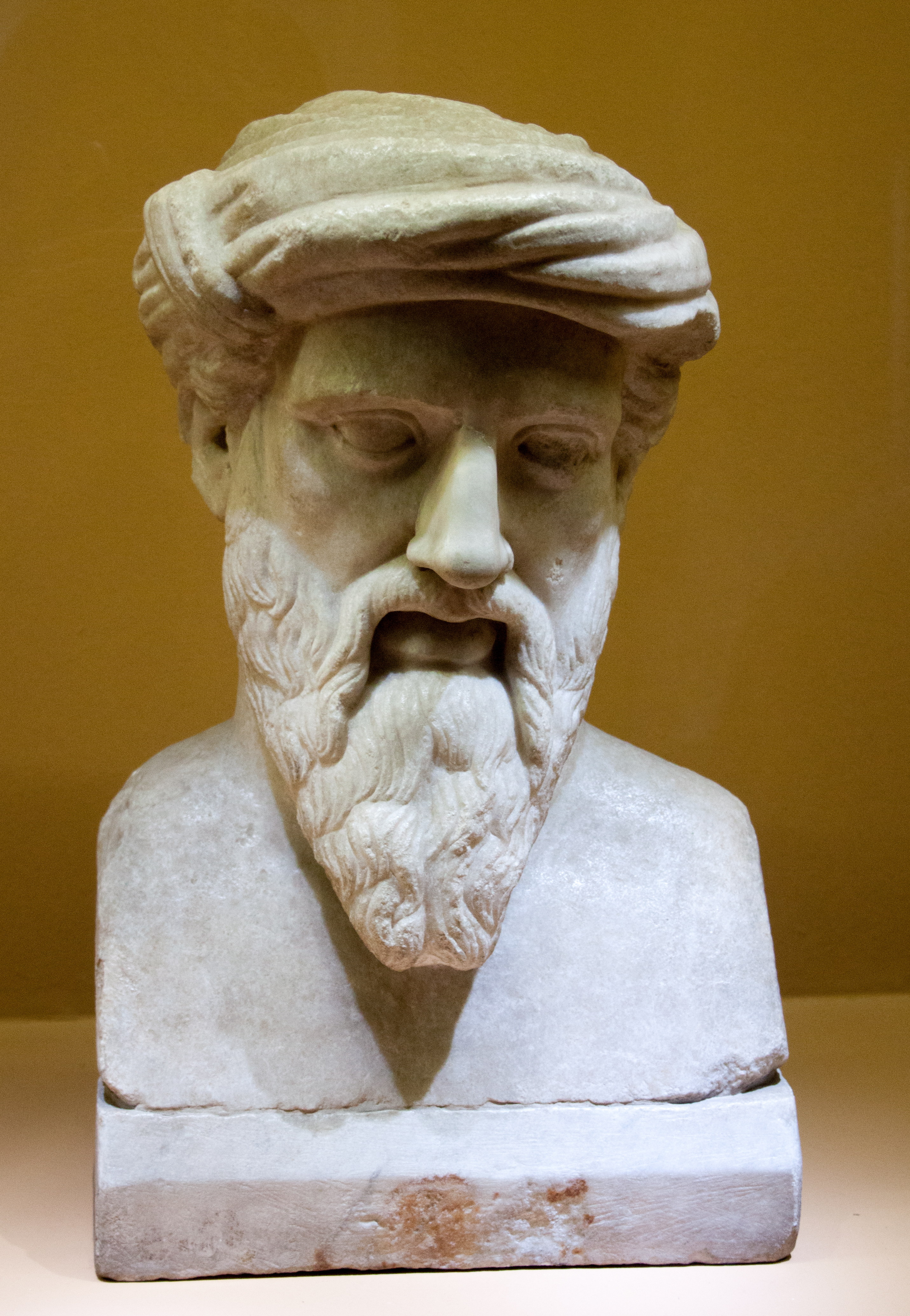
530 BC· Famous Greeks
Pythagoras
Pythagoras of Samos was an ancient Ionian Greek philosopher, polymath, and the eponymous founder of Pythagoreanism. His political and religious teachings were well known in Magna Graecia and influenced the philosophies of Plato, Aristotle, and, through them, Western philosophy. Modern scholars disagree regarding Pythagoras's education and influences, but most agree that he travelled to Croton in southern Italy around 530 BC, where he founded a school in which initiates were allegedly sworn to secrecy and lived a communal, ascetic lifestyle.

490 BC· Moments in History
Battle of Marathon
The Battle of Marathon (490 BC) was a decisive Greek victory in the first Persian invasion of Greece.

427 BC· Famous Greeks
Plato
(427 BC–347 BC) Plato was an ancient Greek philosopher of Classical Athens who is most commonly considered the foundational thinker of the Western philosophical tradition. An innovator of the literary dialogue and dialectic forms, Plato influenced all the major areas of theoretical philosophy and practical philosophy, and was the founder of the Academy, a philosophical school in Athens where Plato taught the collection of philosophical theories that would later become known as Platonism.
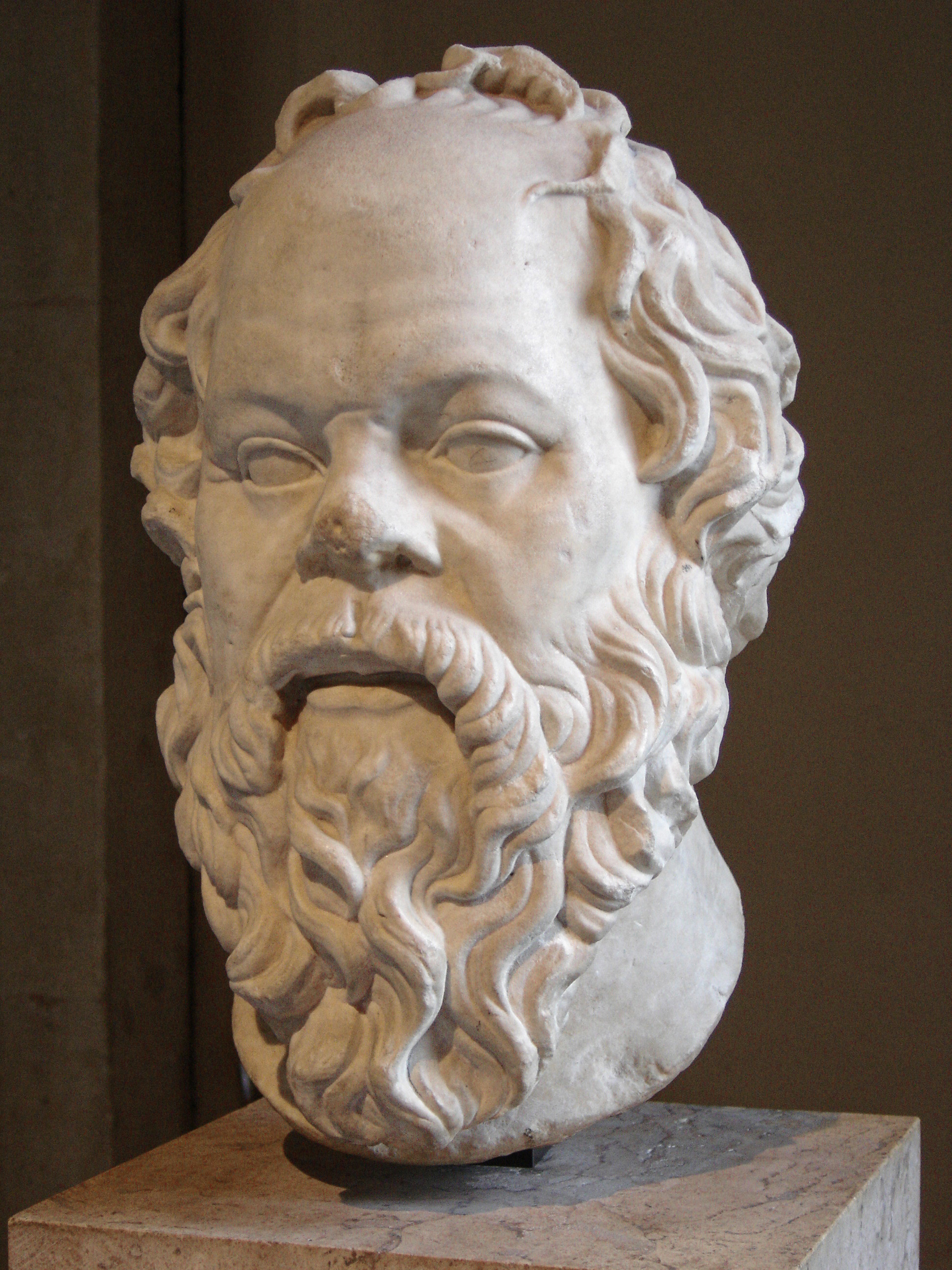
399 BC· Famous Greeks
Socrates
Socrates was an ancient Greek philosopher from Classical Athens, perhaps the first Western moral philosopher, and a major inspiration on his student Plato, who largely founded the tradition of Western philosophy. An enigmatic figure, Socrates authored no texts and is known mainly through the posthumous accounts of classical writers, particularly his students Plato and Xenophon. These accounts are written as dialogues, in which Socrates and his interlocutors examine a subject in the style of question and answer; they gave rise to the Socratic dialogue literary genre. Contradictory accounts of Socrates make a reconstruction of his philosophy nearly impossible, a situation known as the Socratic problem. Socrates was a polarizing figure in Athenian society. In 399 BC, he was accused of impiety and corrupting the youth. After a trial that lasted a day, he was sentenced to death. As related by Plato, he was put to death by administration of poison after refusing offers from allies to help him escape.
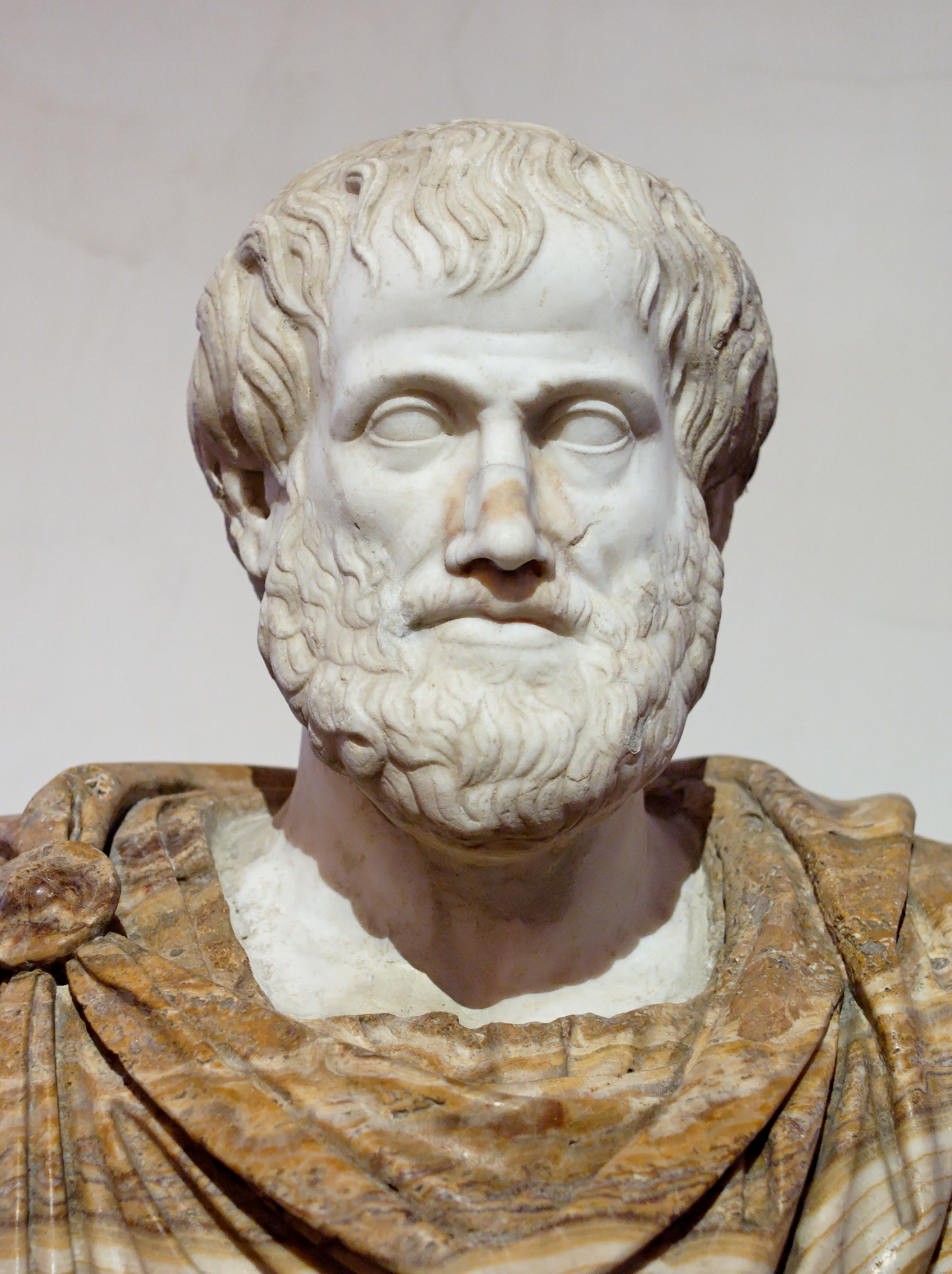
384 BC· Famous Greeks
Aristotle
(384 BC–322 BC) Aristotle was an ancient Greek philosopher and polymath. His writings span the natural sciences, philosophy, linguistics, economics, politics, psychology, and the arts. As the founder of the Peripatetic school of philosophy in the Lyceum in Athens, he began the wider Aristotelian tradition that followed, which set the groundwork for the development of modern science.