
Site view
Timeline
Every dated card across Ancient Greece Archive, arranged chronologically. Dates are inferred from each card's summary.
Era
Before 1 CE
12 cards

650 BC· City-States & Politics
Sparta
Sparta was a prominent city-state in Laconia in ancient Greece. In antiquity, the state was known as Lacedaemon, while Sparta referred to its capital, a group of villages in the valley of the Evrotas River in Laconia, in southeastern Peloponnese. Around 650 BC, it rose to become one of the major military powers in Greece, a status it retained until 371 BC.
530 BC· Philosophers
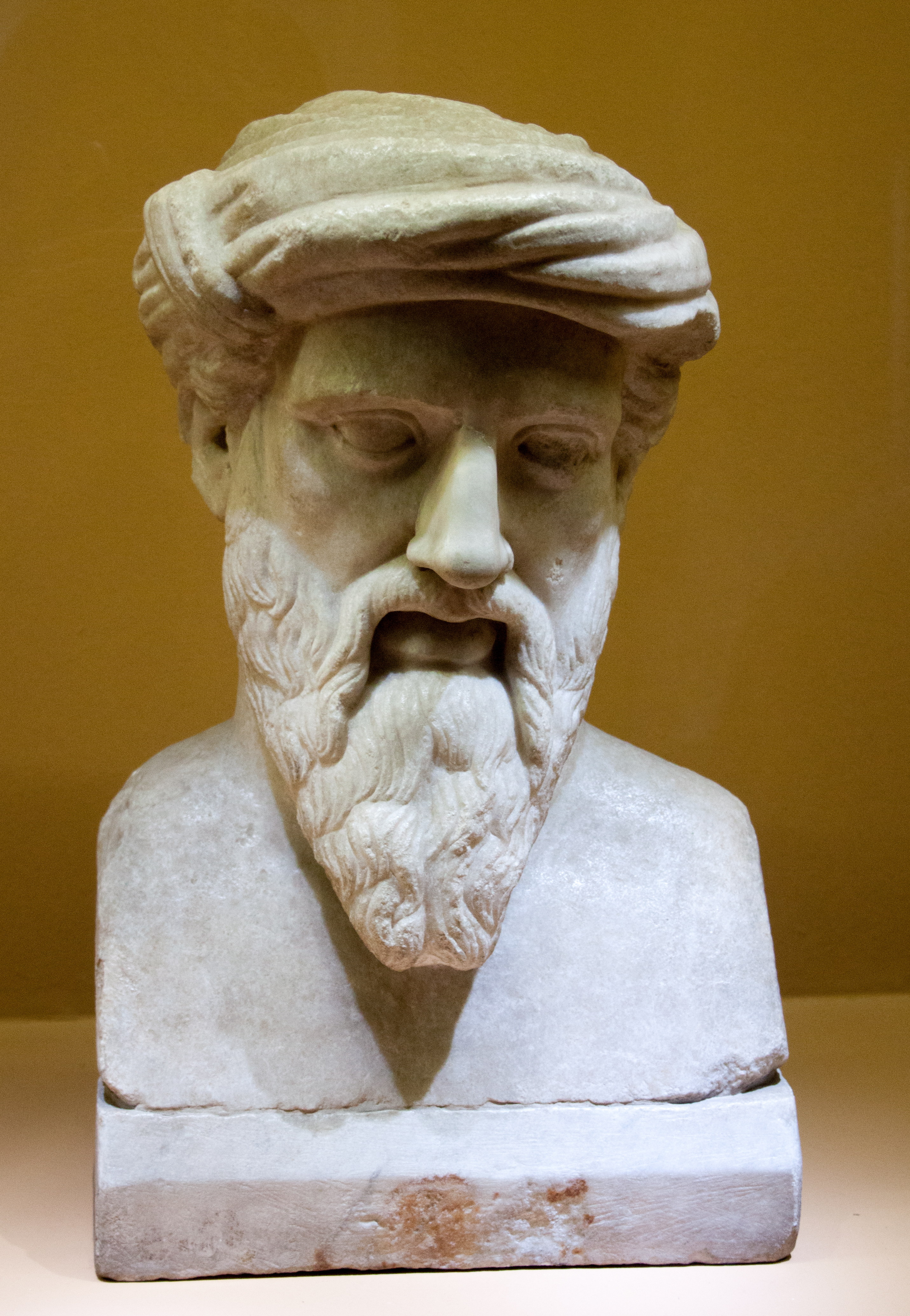
Pythagoras
Pythagoras of Samos was an ancient Ionian Greek philosopher, polymath, and the eponymous founder of Pythagoreanism. His political and religious teachings were well known in Magna Graecia and influenced the philosophies of Plato, Aristotle, and, through them, Western philosophy. Modern scholars disagree regarding Pythagoras's education and influences, but most agree that he travelled to Croton in southern Italy around 530 BC, where he founded a school in which initiates were allegedly sworn to secrecy and lived a communal, ascetic lifestyle.

499 BC· Wars
Greco-Persian Wars
The Greco-Persian Wars, also called the Persian Wars, were a series of armed conflicts involving various Greek city-states and the Achaemenid Empire from 499 BC to 449 BC. The precipitating collision between the fractious political world of ancient Greece and the enormous empire of ancient Persia had begun when the Persian king Cyrus the Great conquered the Greek-inhabited region of Ionia in 547 BC. As they struggled to exert authority over the independent-minded Ionian cities, the Persians appointed Greek tyrants to rule each of them, though this would prove to be the source of much trouble f

490 BC· Wars
Battle of Marathon
The Battle of Marathon (490 BC) was a decisive Greek victory in the first Persian invasion of Greece.

480 BC· Wars
Battle of Thermopylae
The Battle of Thermopylae was fought in 480 BC at Thermopylae between the Achaemenid Persian Empire under Xerxes and an alliance of Greek city-states led by Sparta under Leonidas I. Lasting over the course of three days, it was one of the most prominent battles of both the second Persian invasion of Greece and the wider Greco-Persian Wars.

480 BC· Wars
Battle of Salamis
The Battle of Salamis was a naval battle fought in 480 BC, between an alliance of Greek city-states under Themistocles, and the Achaemenid Empire under King Xerxes. It resulted in a victory for the outnumbered Greeks.

427 BC· Philosophers
Plato
(427 BC–347 BC) Plato was an ancient Greek philosopher of Classical Athens who is most commonly considered the foundational thinker of the Western philosophical tradition. An innovator of the literary dialogue and dialectic forms, Plato influenced all the major areas of theoretical philosophy and practical philosophy, and was the founder of the Academy, a philosophical school in Athens where Plato taught the collection of philosophical theories that would later become known as Platonism.

404 BC· City-States & Politics
Peloponnesian War
The Peloponnesian War was fought in the Eastern Mediterranean between the Athenian-led Delian League and the Spartan-led Peloponnesian League from 431 to 404 BC for hegemony over Ancient Greece. Initially inconclusive, the intervention of the Persian Empire in support of Sparta in 413 BC allowed the Spartan coalition to decisively defeat Athens, beginning a period of Spartan hegemony over Greece.
399 BC· Philosophers
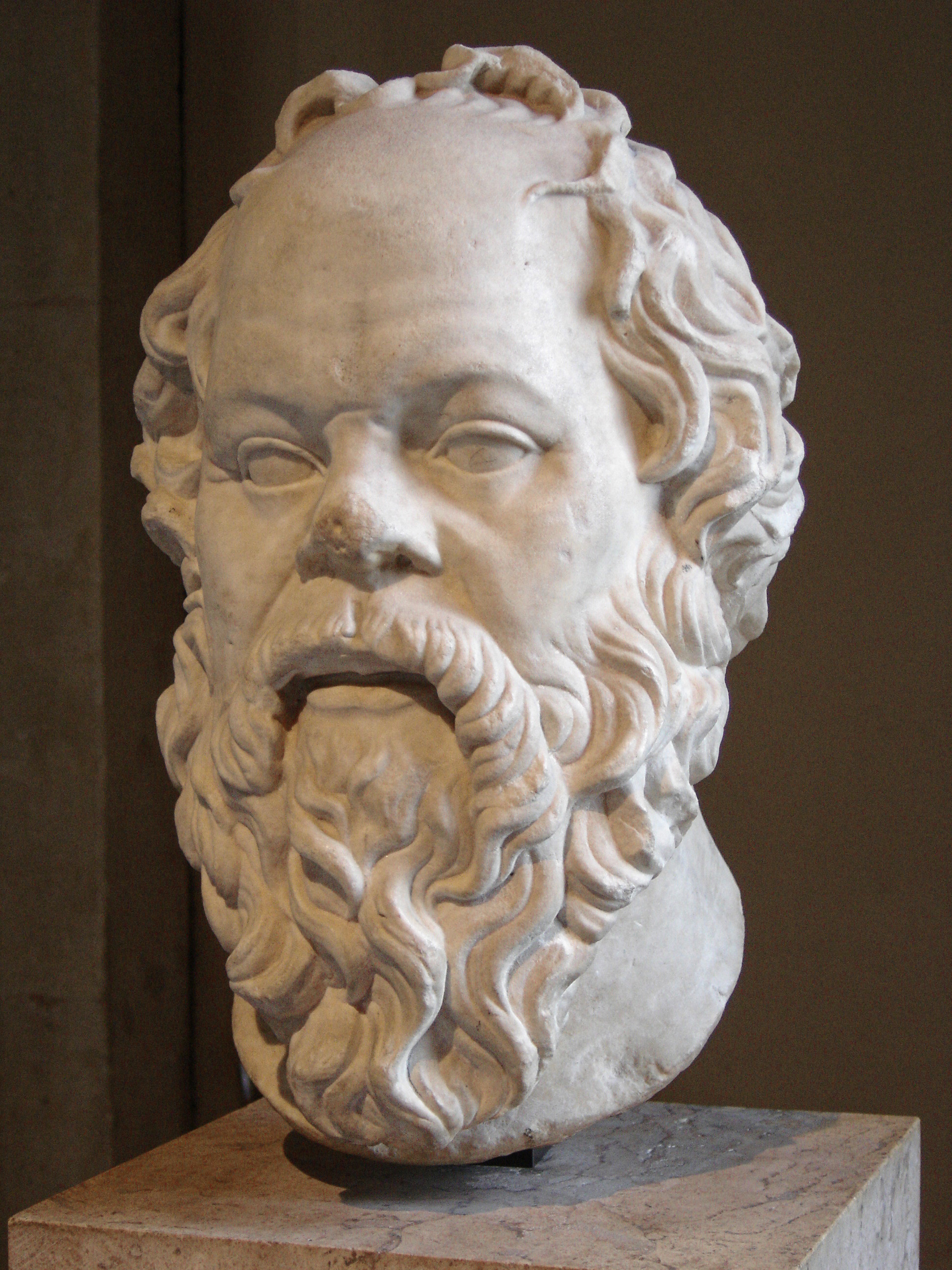
Socrates
Socrates was an ancient Greek philosopher from Classical Athens, perhaps the first Western moral philosopher, and a major inspiration on his student Plato, who largely founded the tradition of Western philosophy. An enigmatic figure, Socrates authored no texts and is known mainly through the posthumous accounts of classical writers, particularly his students Plato and Xenophon. These accounts are written as dialogues, in which Socrates and his interlocutors examine a subject in the style of question and answer; they gave rise to the Socratic dialogue literary genre. Contradictory accounts of Socrates make a reconstruction of his philosophy nearly impossible, a situation known as the Socratic problem. Socrates was a polarizing figure in Athenian society. In 399 BC, he was accused of impiety and corrupting the youth. After a trial that lasted a day, he was sentenced to death. As related by Plato, he was put to death by administration of poison after refusing offers from allies to help him escape.
384 BC· Philosophers
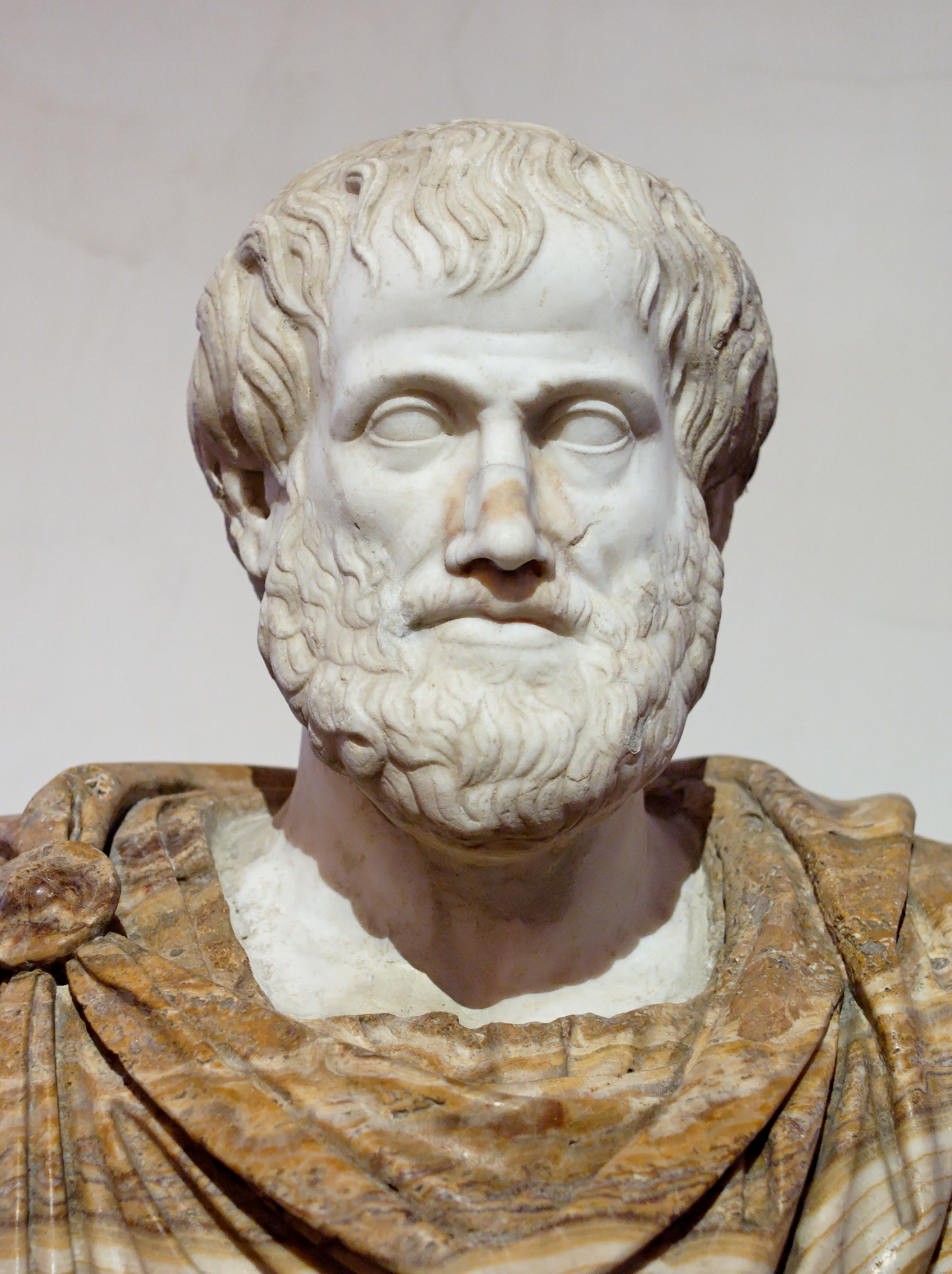
Aristotle
(384 BC–322 BC) Aristotle was an ancient Greek philosopher and polymath. His writings span the natural sciences, philosophy, linguistics, economics, politics, psychology, and the arts. As the founder of the Peripatetic school of philosophy in the Lyceum in Athens, he began the wider Aristotelian tradition that followed, which set the groundwork for the development of modern science.
342 BC· Philosophers
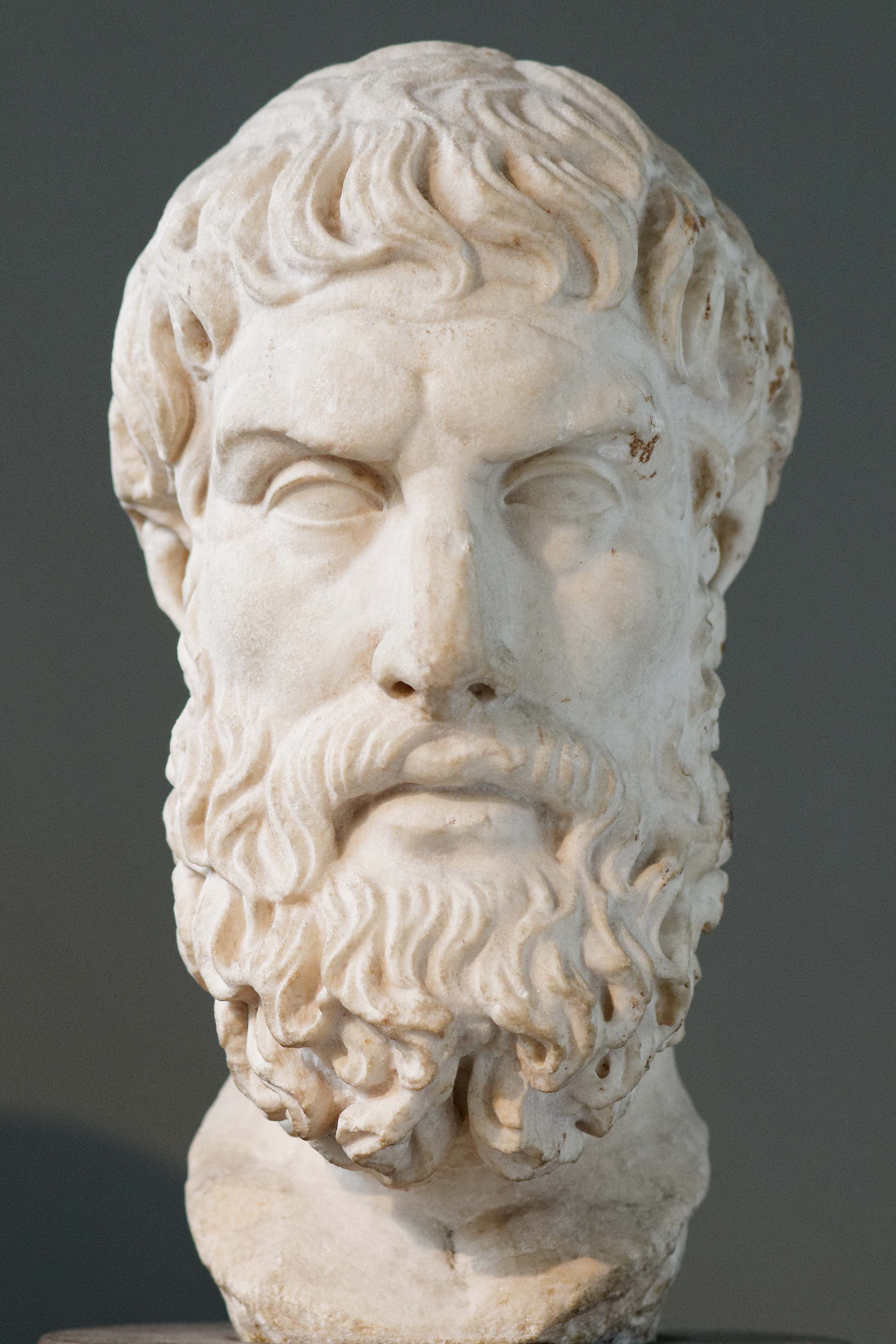
Epicurus
(342 BC–270 BC) Epicurus was an ancient Greek philosopher who founded the philosophical school of Epicureanism, which taught that management of one's desires, removal of unnecessary fears, friendship, and virtuous living led to a pleasant life and constant happiness, the highest good.
300 BC· Philosophers
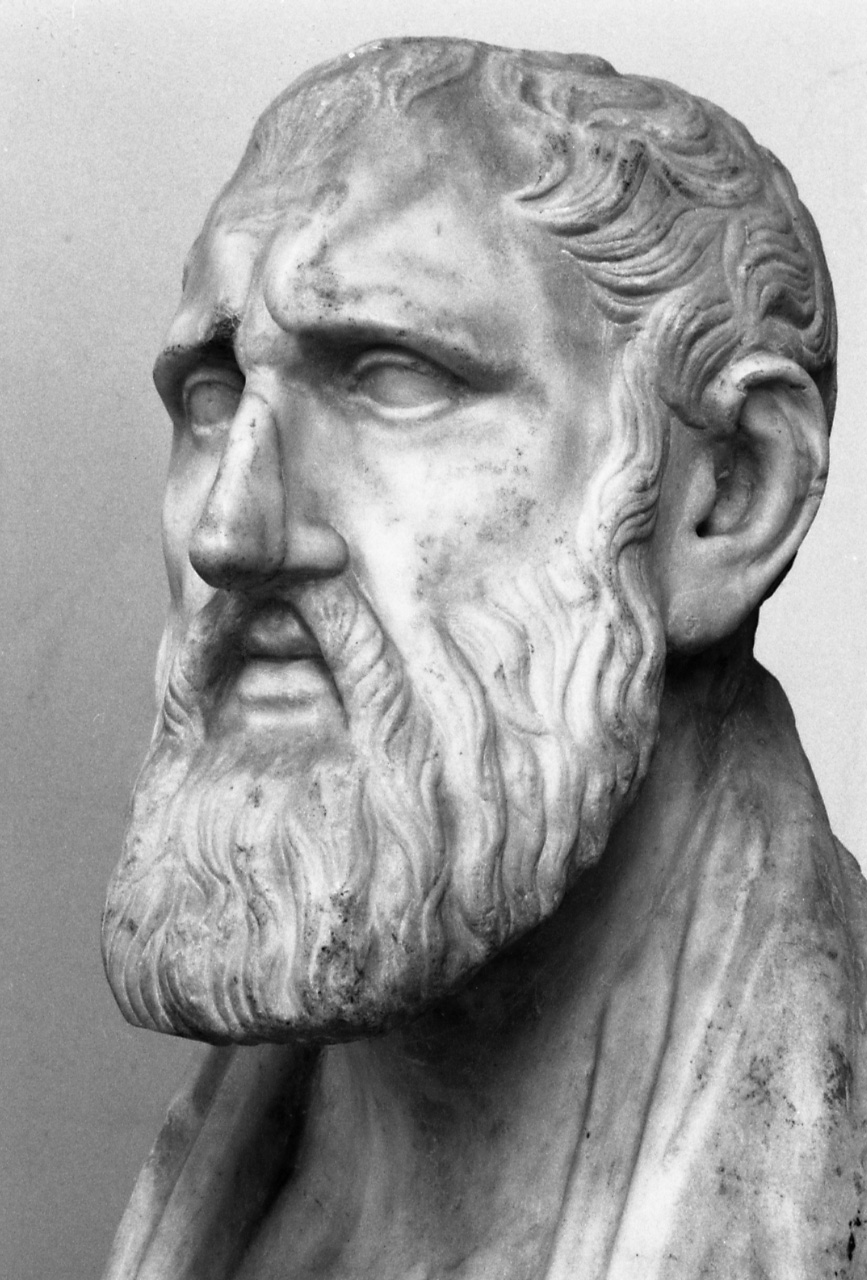
Zeno of Citium
Zeno of Citium was a Hellenistic philosopher from Citium, Cyprus.
He was the founder of the Stoic school of philosophy, which he taught in Athens from about 300 BC.

