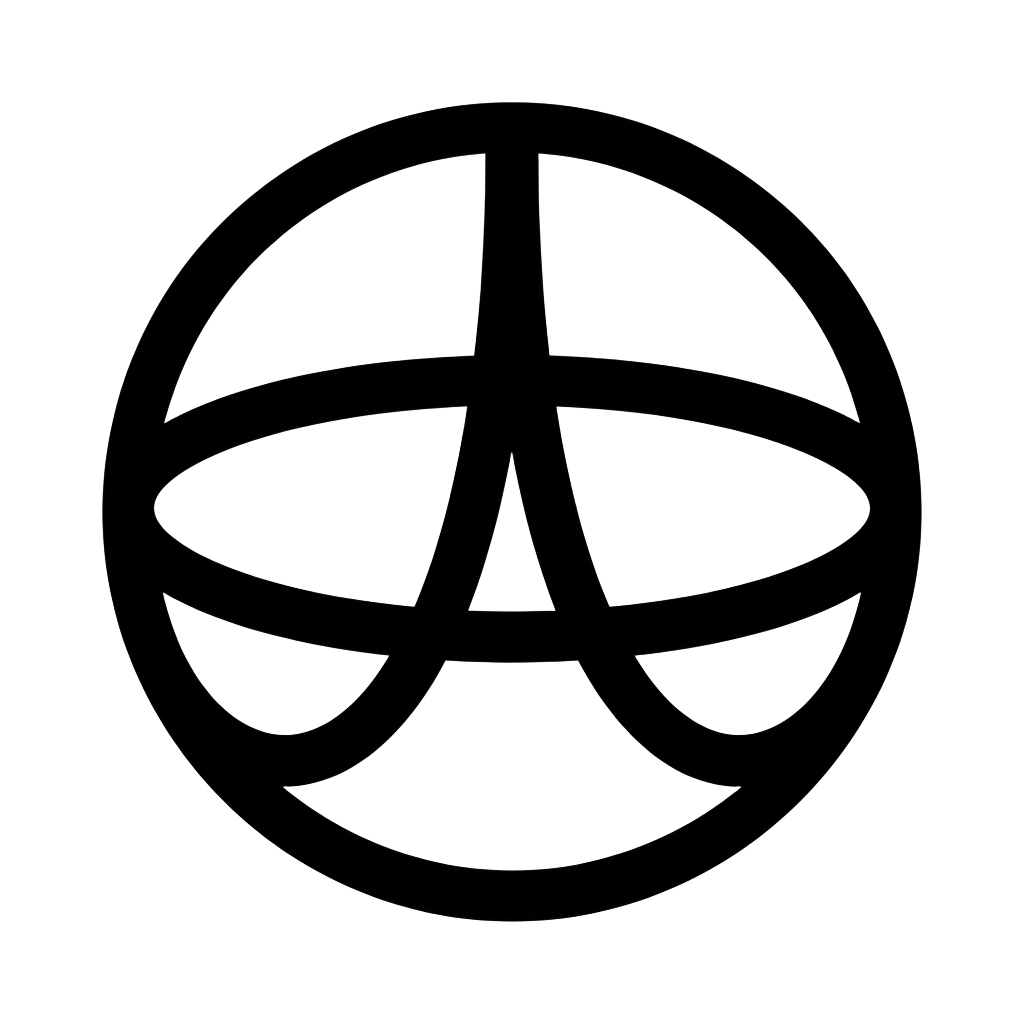
Fermata
A fermata (Italian: [ferˈmaːta]; "from fermare, to stay, or stop"; also known as a hold, pause, colloquially a birdseye or cyclops eye, or as a grand pause when placed on a note or a rest) is a symbol of musical notation indicating that the note should be prolonged beyond the normal duration its note value would indicate. Exactly how much longer it is held is up to the discretion of the performer or conductor, but twice as long is common. It is usually printed above but can be occasionally below (when it is upside down) the note to be extended. When a fermata is placed over a bar or double-bar, it is used to indicate the end of a phrase or section of a work.
Read full article on Wikipedia →Collector Notes
0 notesLoading notes…
Quiz
Generating a question from this article…
Latest news
Discussion
Sign in to join the conversation.
Loading…